• Sign in

  • Join for free
  • Home
  • News
  • About
    • The ODYSSEA Team
    • Sponsors
    • Collaborators
  • Projects
    • Events
    • Past Projects
    • Research and Conservation
  • Support Us
  • Publications
  • Photos
  • Contact
ODYSSEA

Search

    • en
  • info@odyssea.lu
0
ODYSSEA
  • Menu
  • Home
  • News
  • About
    • The ODYSSEA Team
    • Sponsors
    • Collaborators
  • Projects
    • Events
    • Past Projects
    • Research and Conservation
  • Support Us
  • Publications
  • Photos
  • Contact

Plastic Oceans by Dr Mark Simmonds

Home » News » Plastic Oceans by Dr Mark Simmonds
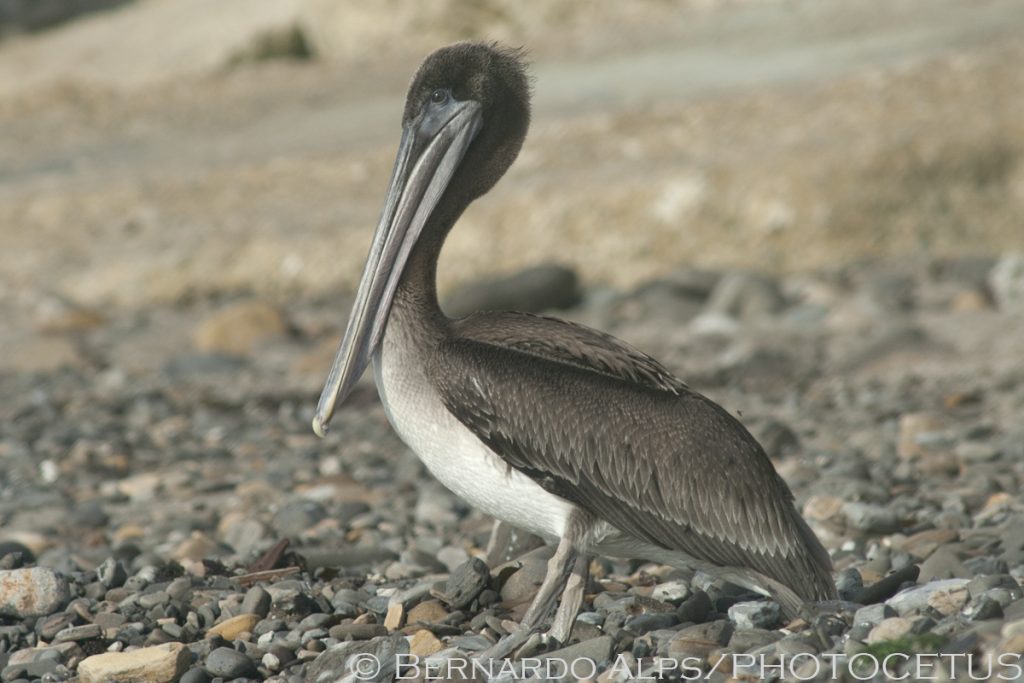
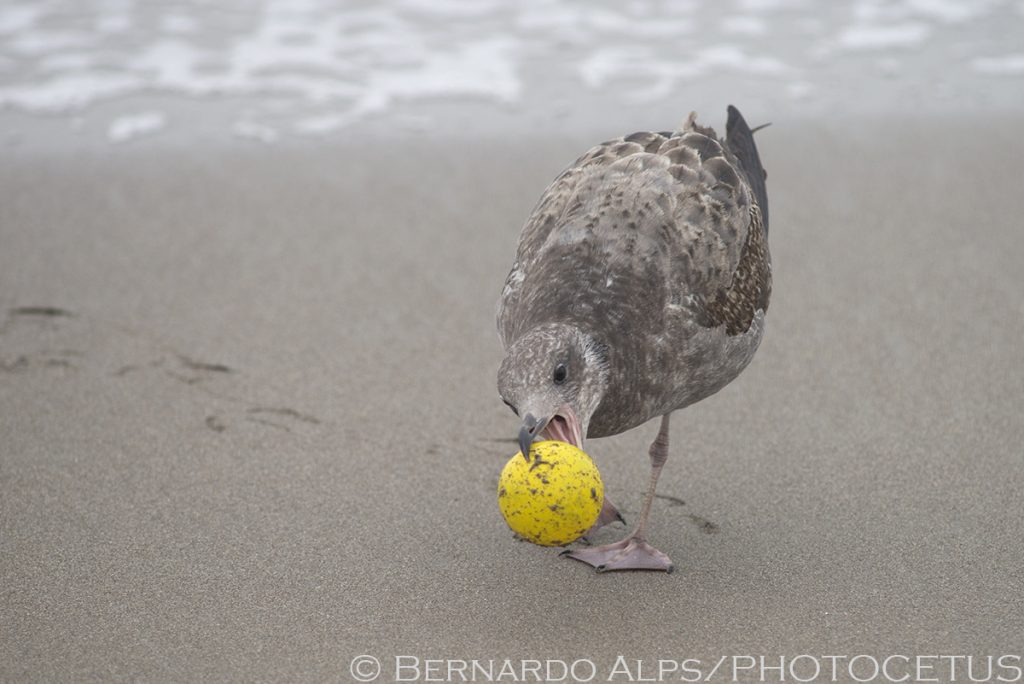
Cabrillo Beach, San Pedro, CA, May 24, 2012. Photo © Bernardo Alps/PHOTOCETUS. All rights reserved.
28September

Plastic Oceans by Dr Mark Simmonds

Next
Previous

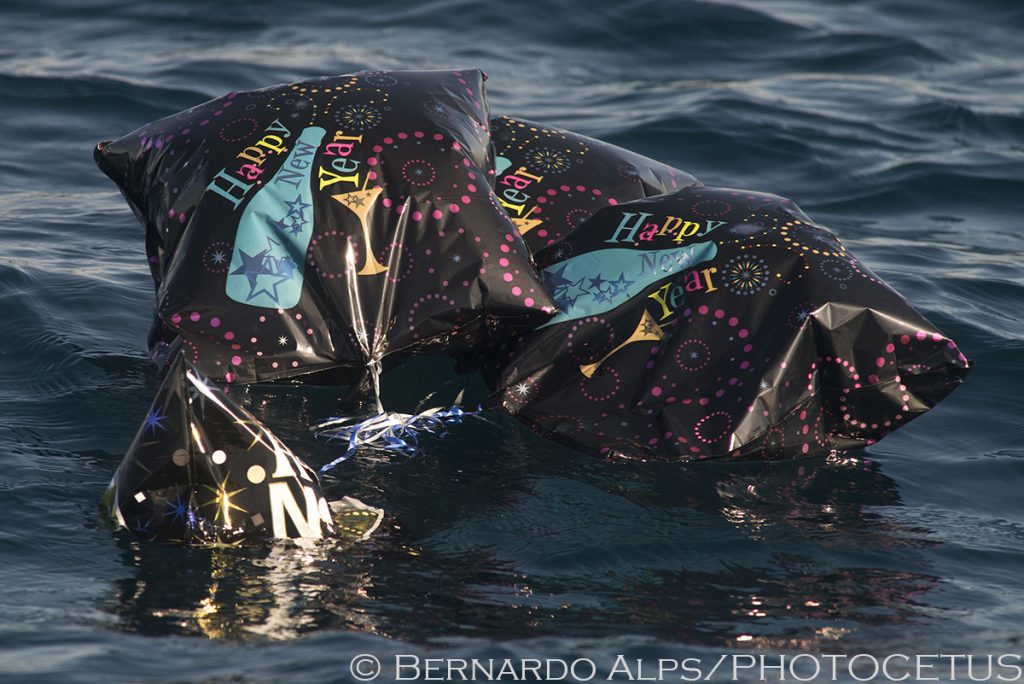
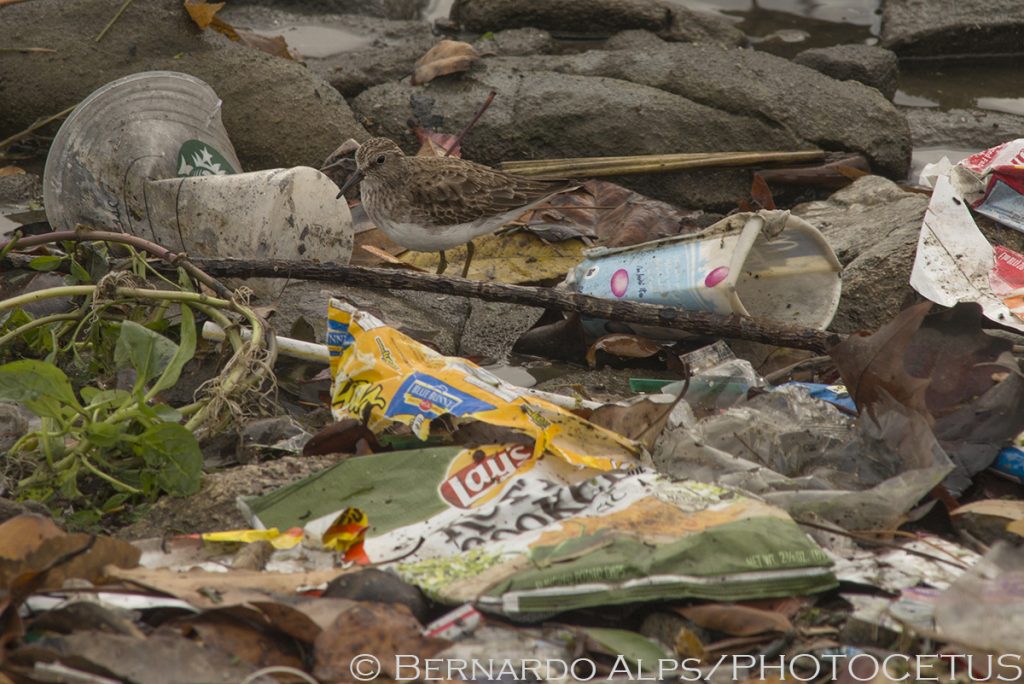
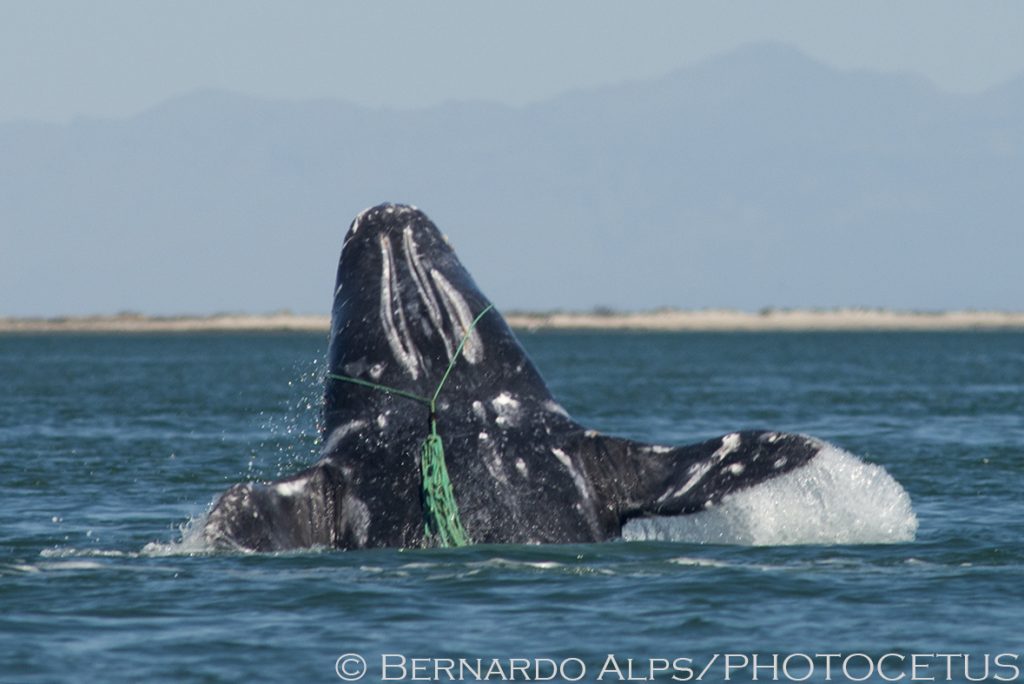
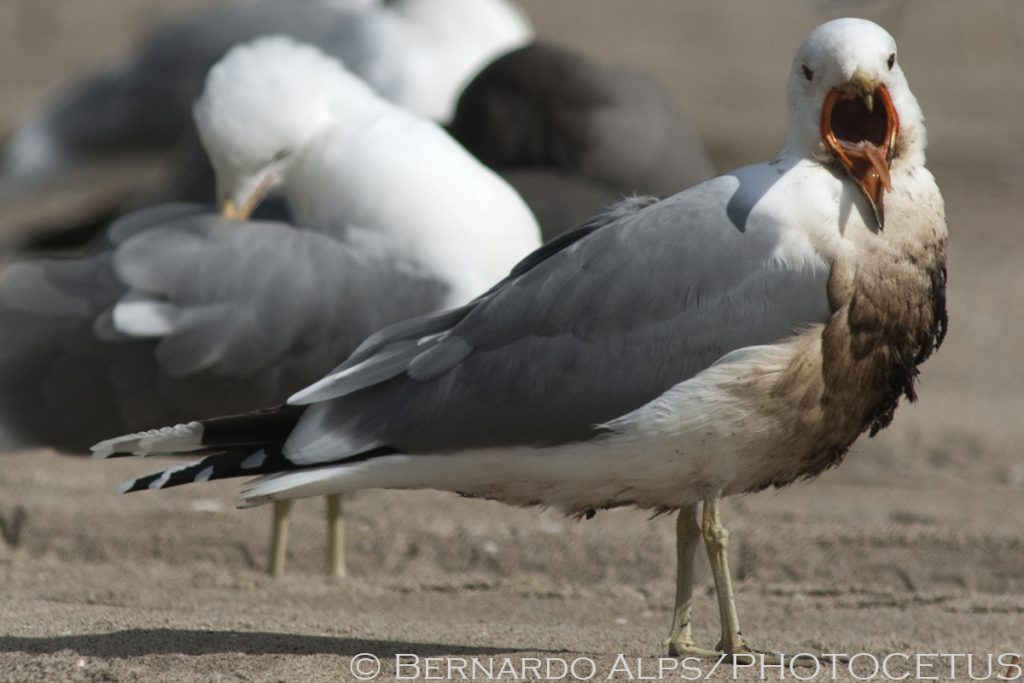
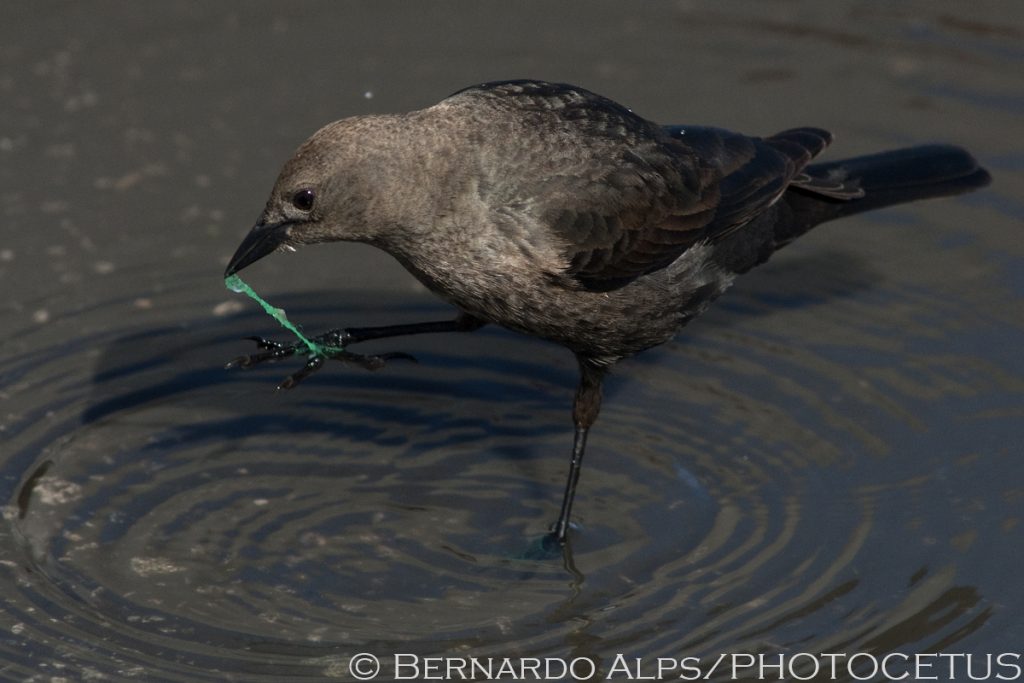
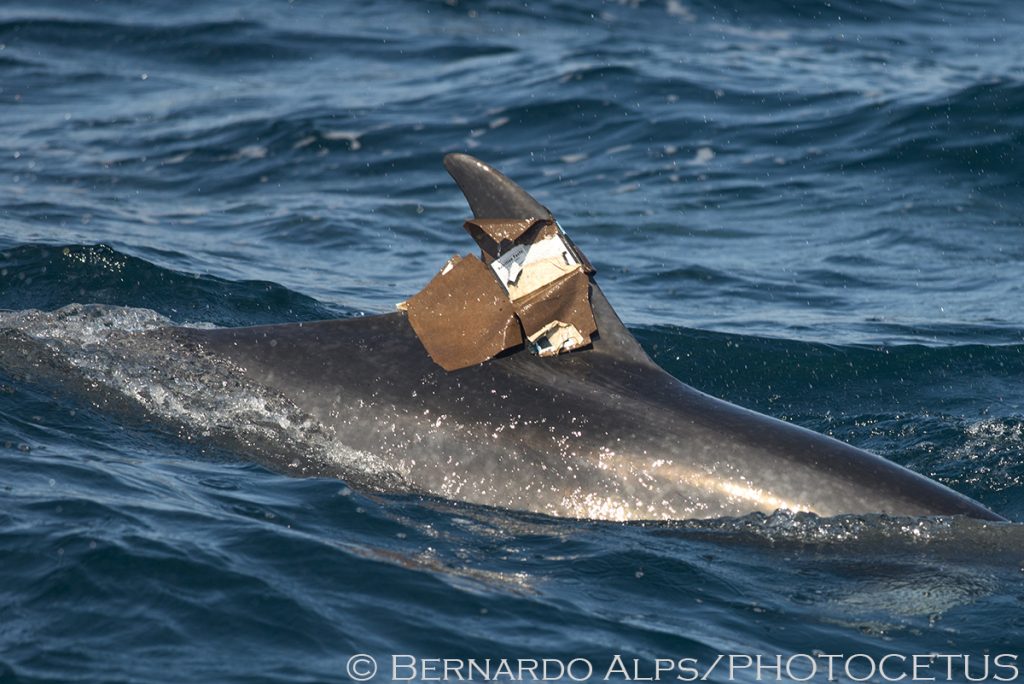
Marine debris is a rather clinical term for something rather disgusting. Wherever you go in the world, whatever seashore you may be walking along, you find evidence of our wasteful society cast up. When I was growing up (and I was lucky enough to do so in a seaside town), inshore pollution concerns focused on sewage contamination; but at least sewage has the good grace to eventually rot down. Not so all the plastics that escape into the sea. They may be eroded into smaller pieces but now it is clear that even those smaller pieces are also a threat and can be transferred inside the bodies of marine animals with as yet not fully-characterised consequences. The larger pieces can ensnare animals and some is also swallowed by them which can cause blockages and death.

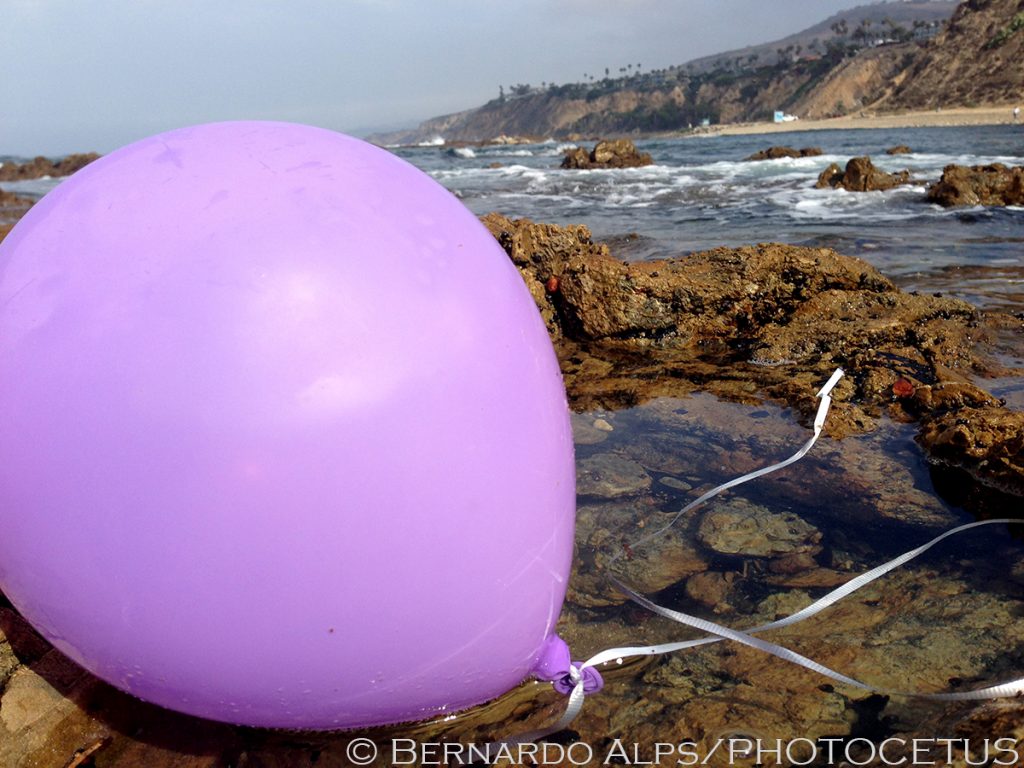
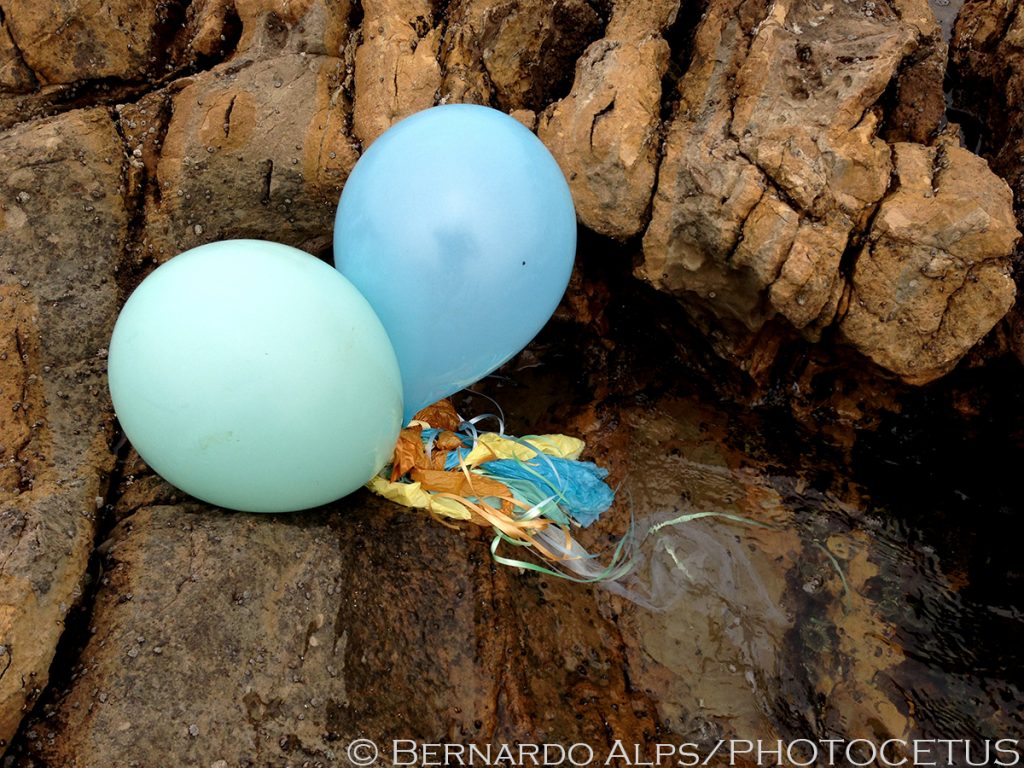
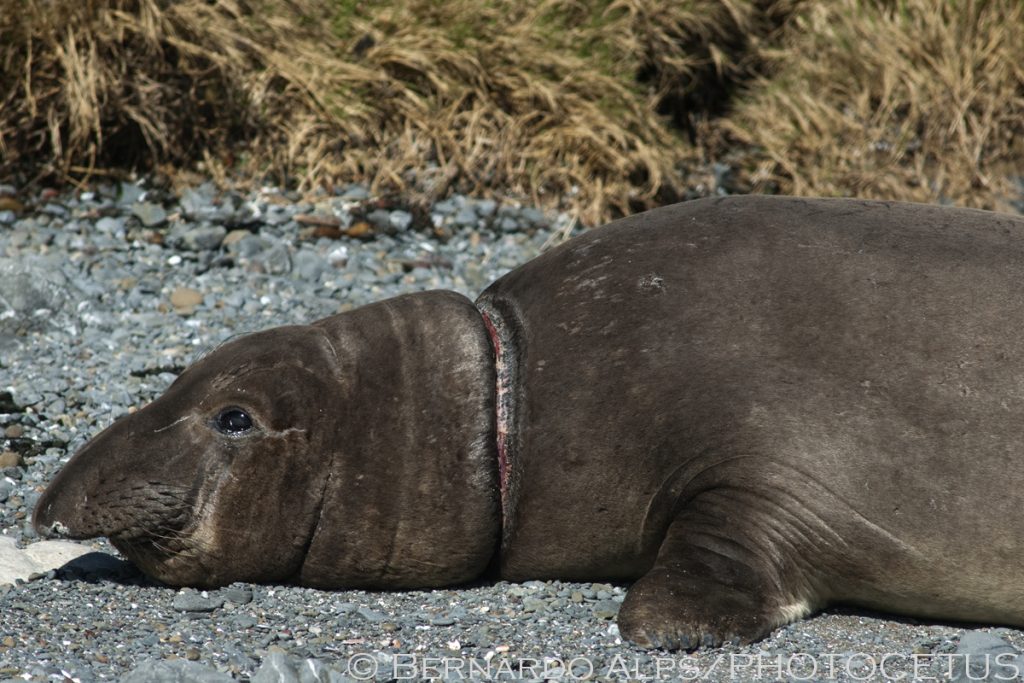
A walk by the sea is now tainted by the persistent rubbish washed up. I am not sure how we can expect people to value the coastal zone (or indeed the sea more generally) if their experience of it is similar to a visit to a rubbish tip. Of course, the degree of contamination varies geographically and also relates to whether a shore is cleaned. On my travels last year, I found that the Pacific shores of New Zealand had relatively little debris, whereas some beaches in South Korea (likely partly as a result of the terrible tsunami event in Japan) had heavy loads and here teams of uniformed men were hard at work bagging up and removing rubbish. But perhaps most striking to me was when I went to look at the seal breeding colony on Barsdey Island in North Wales, it looked like a children’s party had just taken place. The main breeding area was ‘decorated’ with balloons which must have blown from the adjacent mainland and then snagged in the ropes. And then when I looked closer I could see that the seals were giving birth surrounded by various other plastic items, including some fishing nets. Lost and discarded nets obviously pose the threat of entanglement for seals and out on the rocks I could see one adult with a characteristic noose cutting into its neck. I say characteristic because pretty much whatever seal or sea lion colony you look at these days there is one or more animals with this kind of chronic entanglement. The seal when younger was encountered some netting or some other entangling materials, managed to break free but has been left with some around its neck which, over time, comes to cut into its flesh as the animal grows.

We need to change our habits; re-use, carefully recycle and reclaim these dangerous materials from marine habitats.

Mark Simmonds is the Senior Marine Scientist working with the Humane Society International and a friend of Odyssea.
  • All-day whale watching trip aboard the Ocean Adventures out of Dana Wharf off Dana Point, CA, on June 27, 2014. Photo © Bernardo Alps/PHOTOCETUS. All rights reserved.
  • Cabrillo Beach, San Pedro, CA, on January 24, 2014. Photo © Bernardo Alps/PHOTOCETUS. All rights reserved.
  • Whale watching trip aboard Scott's boat off the Palos Verdes Peninsula, CA, on January 5, 2014. Photo © Bernardo Alps/PHOTOCETUS. All rights reserved.
  • Marina Del Rey, CA, on November 21, 2013. Photo © Bernardo Alps/PHOTOCETUS. All rights reserved.
  • Seabird and marine mammal foraging study at White's Point in San Pedro, CA on July 22, 2013. Photo © Bernardo Alps/PHOTOCETUS. All rights reserved.
  • Seabird and marine mammal foraging survey, White's Point, San Pedro, Los Angeles County, California, April 29, 2013. Photo © Bernardo Alps/PHOTOCETUS. All rights reserved.
  • Cabrillo Marine Aquarium Friendly Whales of Baja trip aboard the Royal Polaris, March 10, 2013. Laguna San Ignacio, Baja California Sur, Mexico. Photo © Bernardo Alps/PHOTOCETUS/All rights reserved.
  • Dockweiler State Beach, El Segudo, CA on February 10, 2013. Photo © Bernardo Alps/PHOTOCETUS/All rights reserved.
  • Point Piedras Blancas, CA, February 7, 2013. Photo © Bernardo Alps/PHOTOCETUS. All rights reserved.
  • Alpine Village parking lot, Torrance, CA on January 28, 2013. Photo © Bernardo Alps/PHOTOCETUS/All rights reserved.
  • A young of the year brown pelican rests on the rocky shoreline at Cabrillo Beach in San Pedro on Wednesday, July 11, 2012. Young brown pelicans are arriving from their breeding grounds on the California Channel Islands. Photo © Bernardo Alps/PHOTOCETUS. All rights reserved.
Categories: News
Tags: plastic, pollution
Share:

Related Posts

AGM2025_CoverWebsite

Odyssea asbl Annual General Meeting 2025 – Let’s Shape the Future Together!

Join our Call for Action on 29 July 2025

Read more
Ocean Days 2025

Ocean Days 2025

The ocean comes to Luxembourg on 14-15 June 2025.

Read more
Portrait de Paul Treguer ( Tréguer ), oceanographe français, professeur à l' universite de Bretagne-Occidentale ( UBO ) et fondateur de l' Institut Universitaire Europeen de la Mer ( IUEM ). Ici sur une terrasse de l' IUEM à Plouzane ( Plouzané - Finistere ) avec la rade de Brest en fond . Photo : Guillaume Saligot / Ouest-France

Paul Tréguer : Jules Verne Planète Océan

Conférence le 23 avril 2025 à neimënster.

Read more
Odysse_RD_cover

Researchers’ Days 2024

We look back at our activity on sustainable fishing.

Read more
OCEAN DAY (BANNER SITE V2)

Ocean Days 2024

Join us at the Luxembourg Science Center on 8-9 June

Read more
Photo1_Polarstern_cover

An oceanography expedition around South Georgia

Joséphine Anselin describes her Antarctic experience onboard the Polarstern.

Read more
Sailing Sunset

A Sailing Odyssey

A 7000 nautical mile sailing journey during the pandemic.

Read more
PolarBear_c_PGallego

Lëtzebuerg an der Klima Kris

Odyssea invitéiert op Webinar.

Read more
WorldOceansDayCover

5 Mieresnaturschutz Erfolleger

[vc_row][vc_column][vc_column_text]Um 8. Juni feiere mir de Weltdag vun den Ozeanen, den World Oceans Day soll

Read more
WorldOceansDayCover

5 Marine Conservation Success Stories

Projects that give hope on World Oceans Day.

Read more
© 2026 ODYSSEA ASBL
  • Home
  • About
  • News
  • Contact