• Sign in

  • Join for free
  • Home
  • News
  • About
    • The ODYSSEA Team
    • Sponsors
    • Collaborators
  • Projects
    • Events
    • Past Projects
    • Research and Conservation
  • Support Us
  • Publications
  • Photos
  • Contact
ODYSSEA

Search

    • en
    • fr
  • info@odyssea.lu
0
ODYSSEA
  • Menu
  • Home
  • News
  • About
    • The ODYSSEA Team
    • Sponsors
    • Collaborators
  • Projects
    • Events
    • Past Projects
    • Research and Conservation
  • Support Us
  • Publications
  • Photos
  • Contact

Tag : plastic

Home » Tagged "plastic"
  • Dolphin_joao-vianna
    21January

    If I change, one thing changes

    From 9-12 November 2017 Odyssea participated in the Science Festival in Luxembourg, organised by the National Museum of Natural History and Fonds National de la Recherche. With over 50 workshops and over 10 000 visitors in previous years, the Science Festival is the most visited science outreach event in Luxembourg.

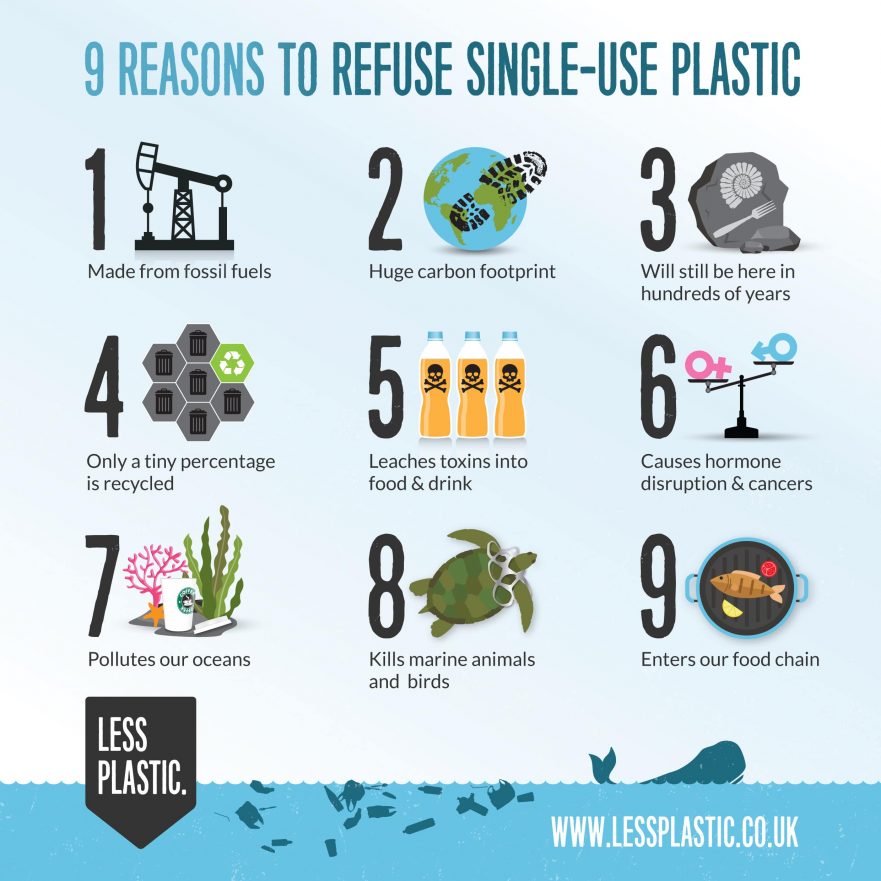
    Odyssea’s workshop focused on plastic pollution in the oceans. Every year 8 tons of plastic1 enter our oceans and plastic is now omnipresent on our shores, whether in the polar regions or remote islands. In a first experiment we showed that there are many different types of plastics with different buoyancies: some float on the water surface, some sink to the ocean floor. No matter where animals feed in the water column, they might encounter plastic and mistake it for something edible. We highlighted the example of sea birds and marine turtles, which are known to die from plastic pollution. 95% of Northern fulmars are estimated to have plastics in their stomachs! Over one million seabirds are estimated to die per year due to the ingestion of plastic. One stranded whale was found with 30 plastic bags in its stomach.

    www.vision.lu
    www.vision.lu
    SF Odyssea Team
    www.vision.lu

    Along with the vertical distribution of plastic in the water column, we showed how currents disperse and concentrate plastics in our oceans. The animation on http://adrift.org.au/ simulates where plastic ends up after 0-10 years. In some areas of the ocean currents act to accumulate plastics, creating the great Pacific garbage patch for example. No place seems to be spared and plastic pollution is also increasing in the most remote areas such as the Arctic2. Chances are there is even plastic in your table sea salt3.

    The second part of our activity focused on the hidden plastics in our everyday lives. Microplastics are defined as plastics with a diameter <5mm. A vast array of cosmetic products contain microbeads or microplastics. A list of products to avoid, ranging from facial scrub soaps to sunscreen products are listed here. Kids had the opportunity to discover how much plastic can be hidden in a spoonful of soap. The soap was first diluted in warm water before the solution was passed through a coffee filter. Left in the filter were the microbeads, tiny pieces of plastic. Sewage plants are not designed to filter out microplastics and they might end up in rivers and eventually the ocean. Instructions on how to perform the experiment at home or in school classes can be found in this video.

    Foundation_New-Plastics-Economy_5
    Fulmar Plastic
    infographic

    Microplastics act like a sponge and soak up high concentrations of contaminants from their environment. In the ocean, microplastics can enter the food chain when they are ingested by zooplankton. In a game, we showed high plastics and contaminants can accumulate at the top of the food chain. Top predators, like tuna fish or killer whales, have exceptionally high contaminant levels. In killer whales, high contaminant levels in the milk can reduce the chance of survival of a females first calf. Due to high pollution levels, it is recommended that the consumption of large fish, e.g. tuna or swordfish, should be kept to a minimum.

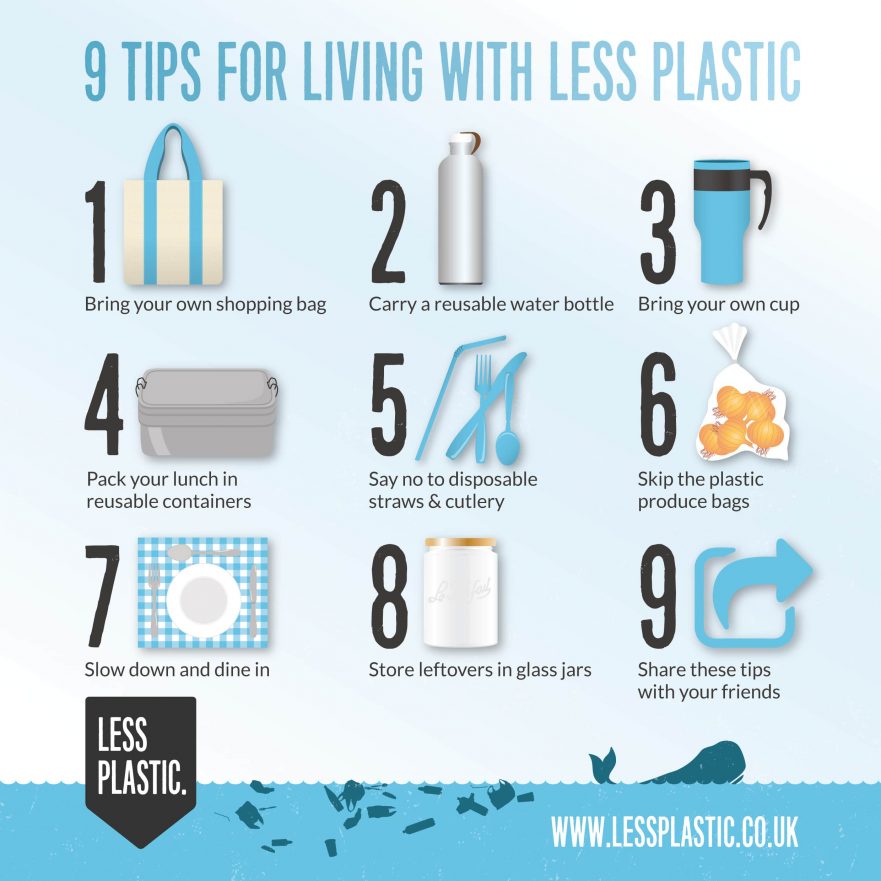
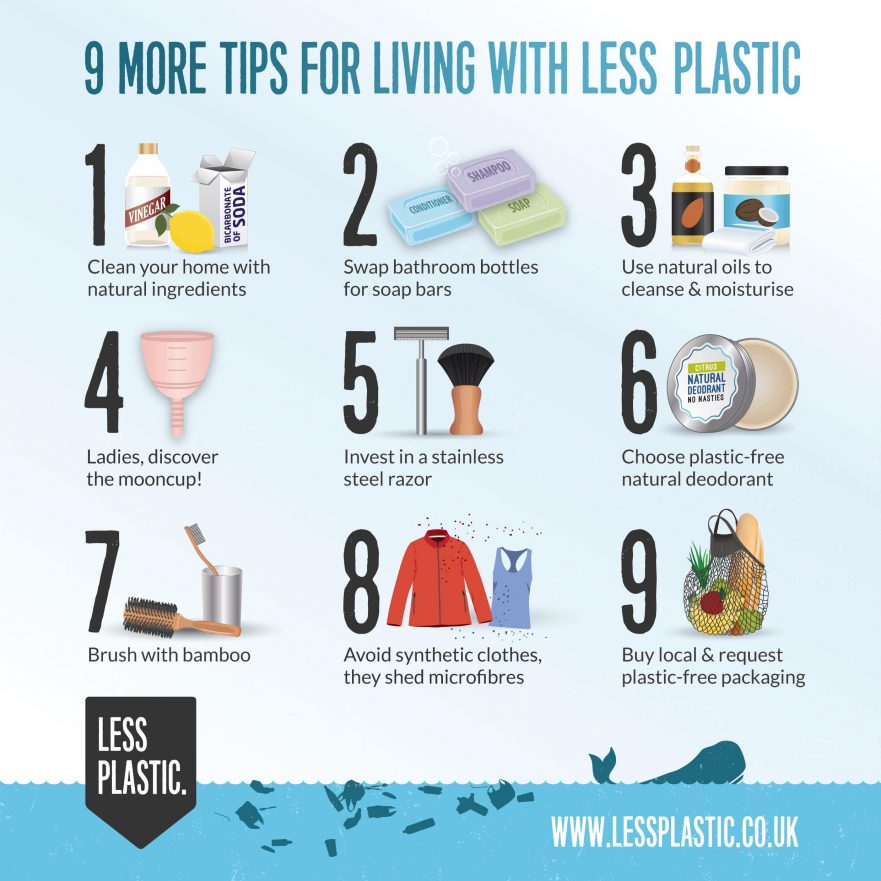
    We wanted to end the activity with some ocean optimism. While the problem of plastic pollution seems too big for anyone to handle, there is hope. As one of our visitor put it: If I change, one thing changes. We were overwhelmed by the knowledge, understanding and interest of some of our youngest participants. If we all change our habits and the way we use plastics, we can reduce the problem of plastic pollution. Reduce, Reuse, Recycle.

    The activity would not have been possible without the help and dedication of Livia Gavard, Fanny Dessard, Soren Salvatore, Félix Feider, Philip Fourmann, and Pierre Gallego. Thank you!

    Anna Schleimer was the activity coordinator. 

    9-reasons-to-refuse-single-use-plastic_square-881x881
    9-tips-for-living-with-less-plastic_square-881x881
    9-More-Tips-21cm-881x881

    Cover photo taken by João Vianna in the archipelago of Fernando de Noronha, Brazil.

    References:

    1Jambeck, J.R., Geyer, R., Wilcox, C., Siegler, T.R., Perryman, M., Andrady, A., Narayan, R. and Law, K.L., 2015. Plastic waste inputs from land into the ocean. Science, 347(6223), pp.768-771.

    2Bergmann, M., Lutz, B., Tekman, M.B. and Gutow, L., 2017. Citizen scientists reveal: Marine litter pollutes Arctic beaches and affects wild life. Marine pollution bulletin, 125(1-2), pp.535-540.

    3Karami, A., Golieskardi, A., Choo, C.K., Larat, V., Galloway, T.S. and Salamatinia, B., 2017. The presence of microplastics in commercial salts from different countries. Scientific Reports, 7.

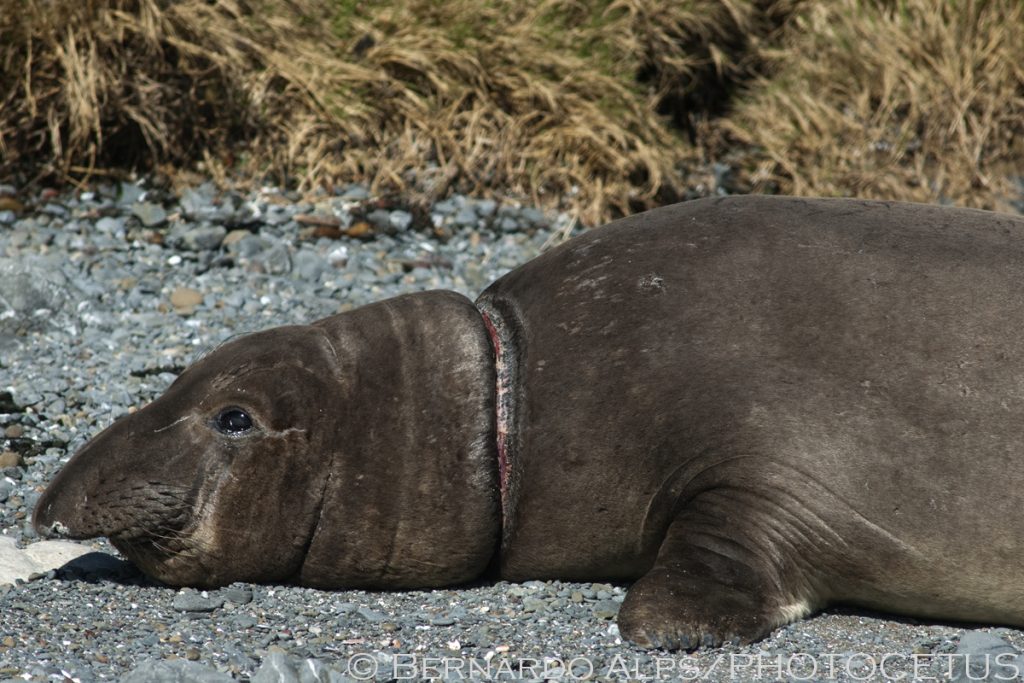
  • Cabrillo Beach, San Pedro, CA, May 24, 2012. Photo © Bernardo Alps/PHOTOCETUS. All rights reserved.
    28September

    Plastic Oceans by Dr Mark Simmonds

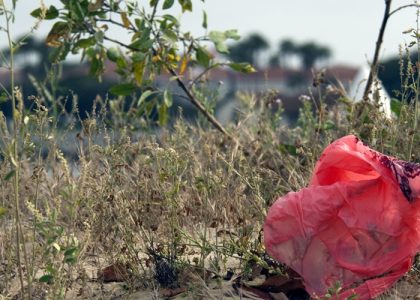
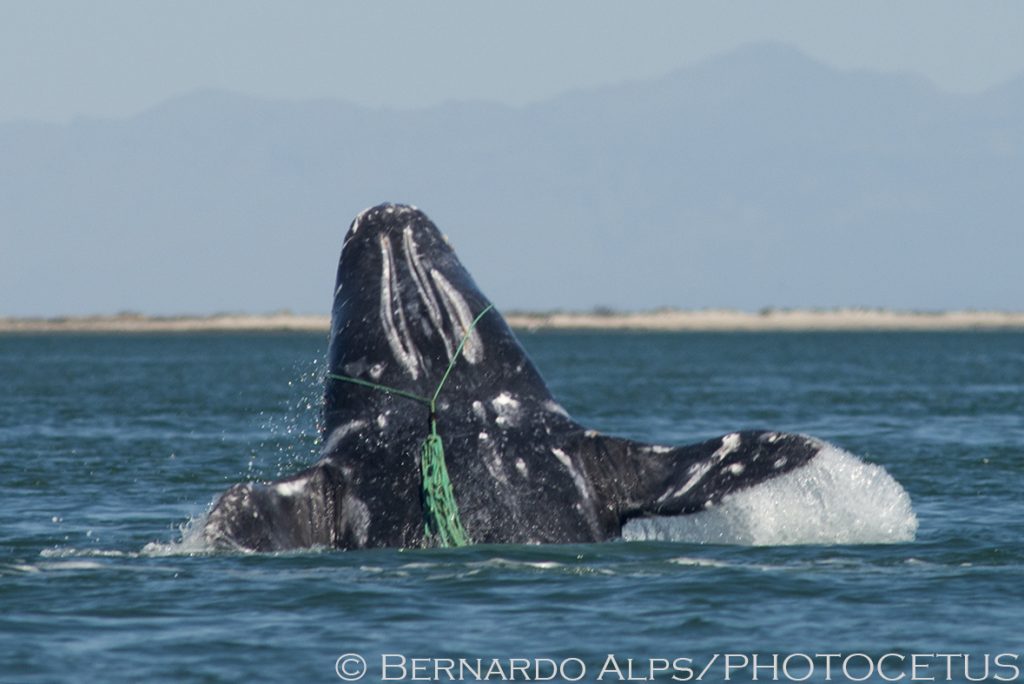
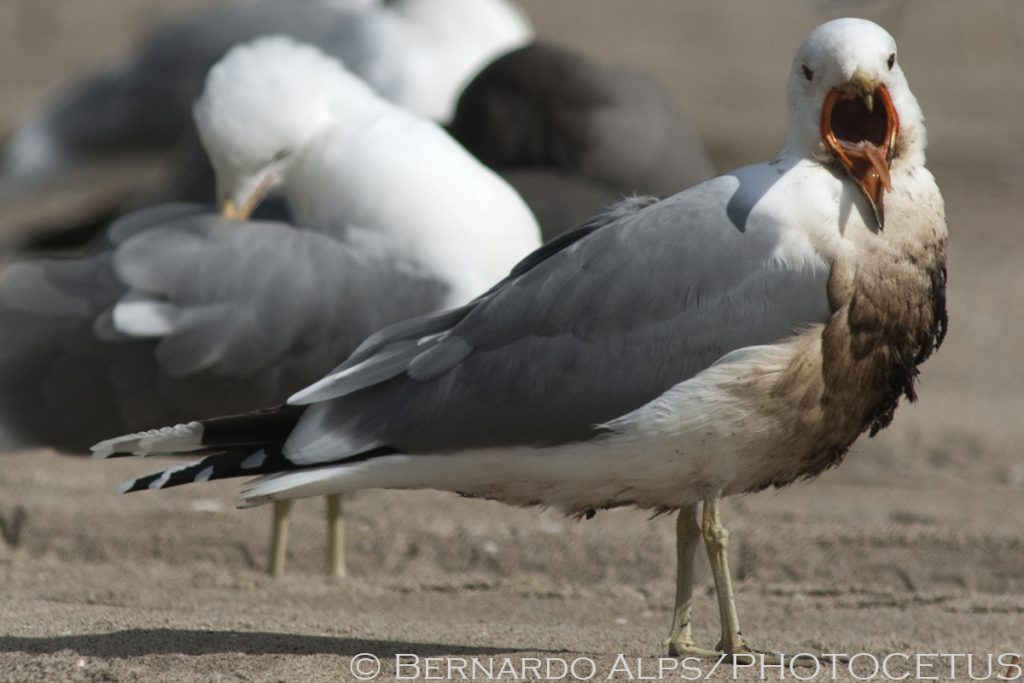
    Marine debris is a rather clinical term for something rather disgusting. Wherever you go in the world, whatever seashore you may be walking along, you find evidence of our wasteful society cast up. When I was growing up (and I was lucky enough to do so in a seaside town), inshore pollution concerns focused on sewage contamination; but at least sewage has the good grace to eventually rot down. Not so all the plastics that escape into the sea. They may be eroded into smaller pieces but now it is clear that even those smaller pieces are also a threat and can be transferred inside the bodies of marine animals with as yet not fully-characterised consequences. The larger pieces can ensnare animals and some is also swallowed by them which can cause blockages and death.

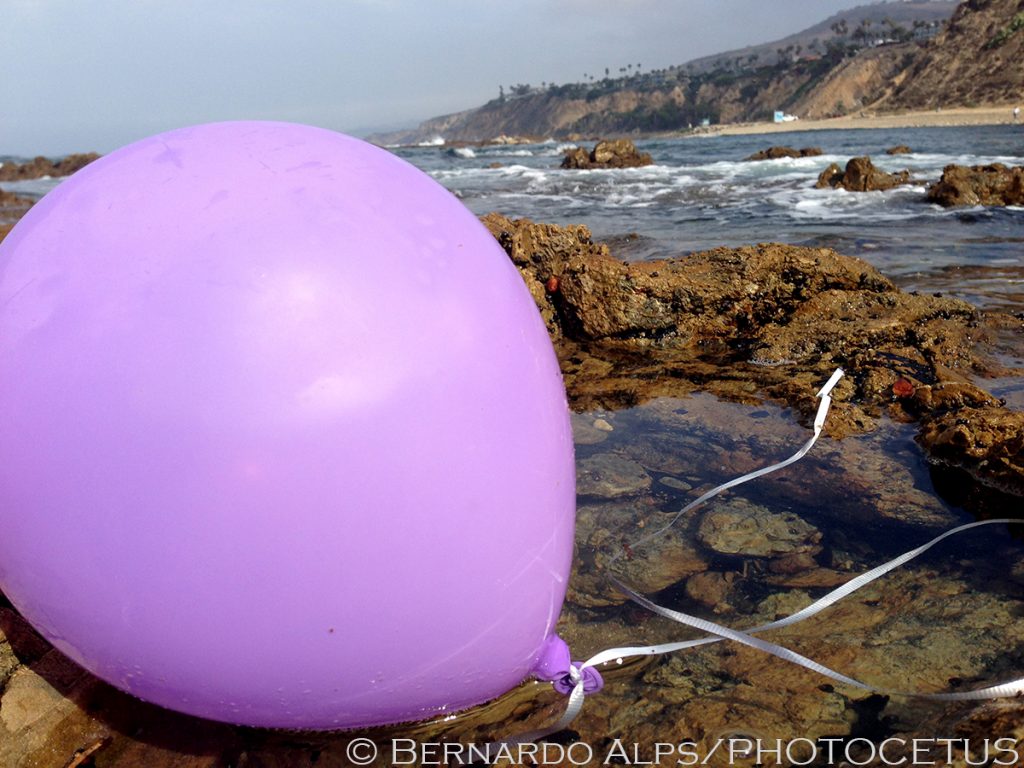
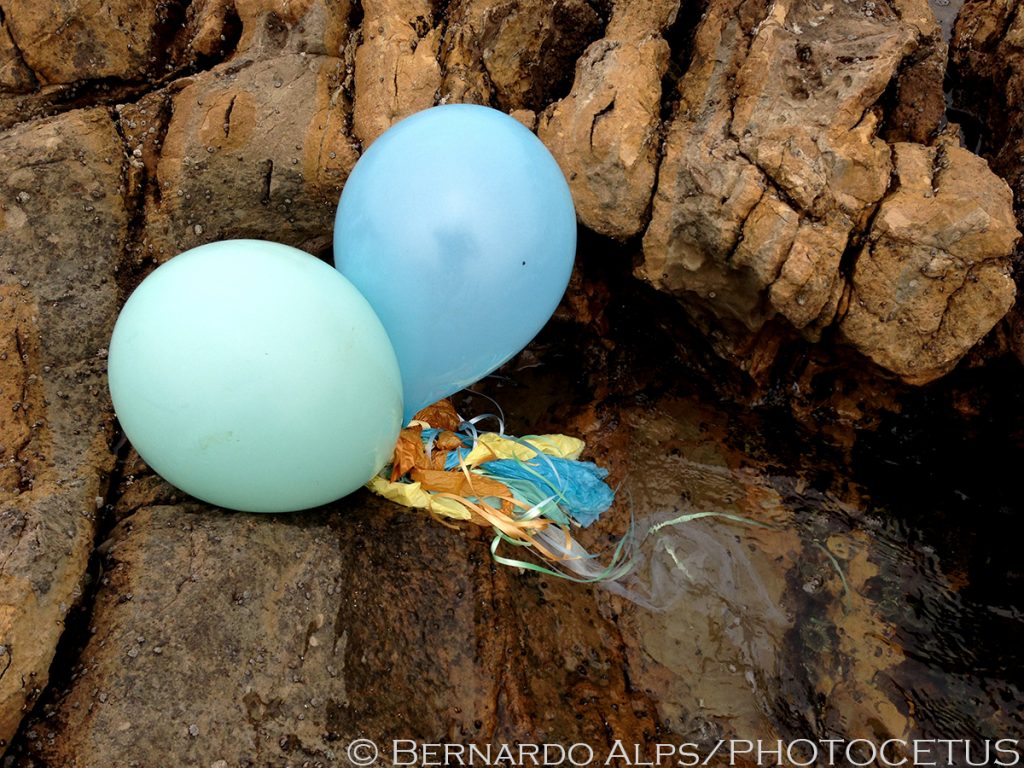
    A walk by the sea is now tainted by the persistent rubbish washed up. I am not sure how we can expect people to value the coastal zone (or indeed the sea more generally) if their experience of it is similar to a visit to a rubbish tip. Of course, the degree of contamination varies geographically and also relates to whether a shore is cleaned. On my travels last year, I found that the Pacific shores of New Zealand had relatively little debris, whereas some beaches in South Korea (likely partly as a result of the terrible tsunami event in Japan) had heavy loads and here teams of uniformed men were hard at work bagging up and removing rubbish. But perhaps most striking to me was when I went to look at the seal breeding colony on Barsdey Island in North Wales, it looked like a children’s party had just taken place. The main breeding area was ‘decorated’ with balloons which must have blown from the adjacent mainland and then snagged in the ropes. And then when I looked closer I could see that the seals were giving birth surrounded by various other plastic items, including some fishing nets. Lost and discarded nets obviously pose the threat of entanglement for seals and out on the rocks I could see one adult with a characteristic noose cutting into its neck. I say characteristic because pretty much whatever seal or sea lion colony you look at these days there is one or more animals with this kind of chronic entanglement. The seal when younger was encountered some netting or some other entangling materials, managed to break free but has been left with some around its neck which, over time, comes to cut into its flesh as the animal grows.

    We need to change our habits; re-use, carefully recycle and reclaim these dangerous materials from marine habitats.

    Mark Simmonds is the Senior Marine Scientist working with the Humane Society International and a friend of Odyssea.

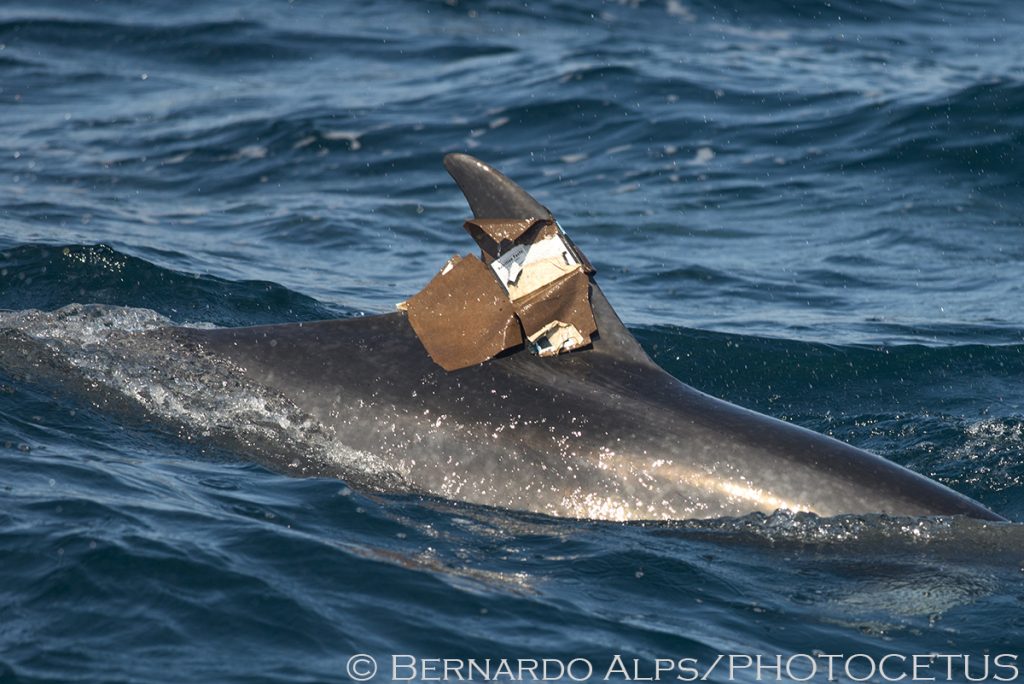
    • All-day whale watching trip aboard the Ocean Adventures out of Dana Wharf off Dana Point, CA, on June 27, 2014. Photo © Bernardo Alps/PHOTOCETUS. All rights reserved.
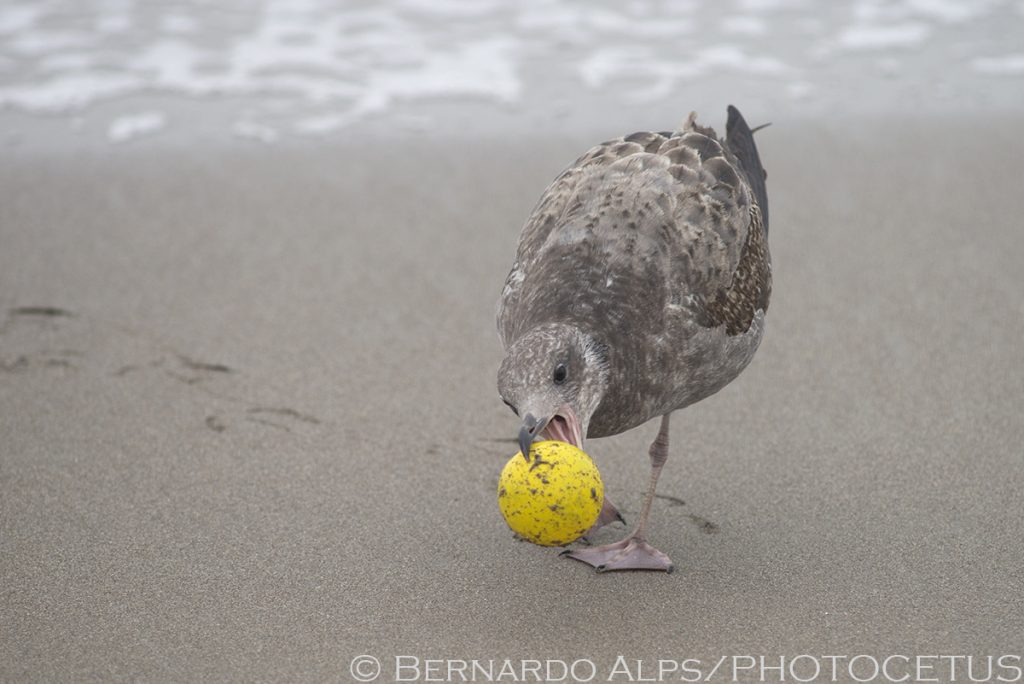
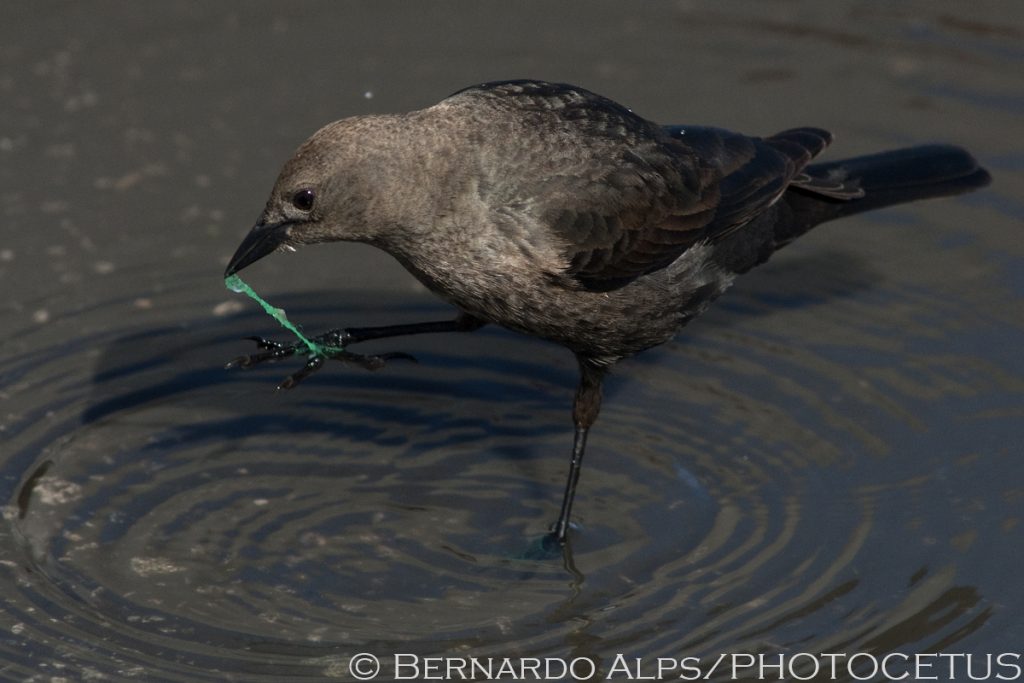
    • Cabrillo Beach, San Pedro, CA, on January 24, 2014. Photo © Bernardo Alps/PHOTOCETUS. All rights reserved.
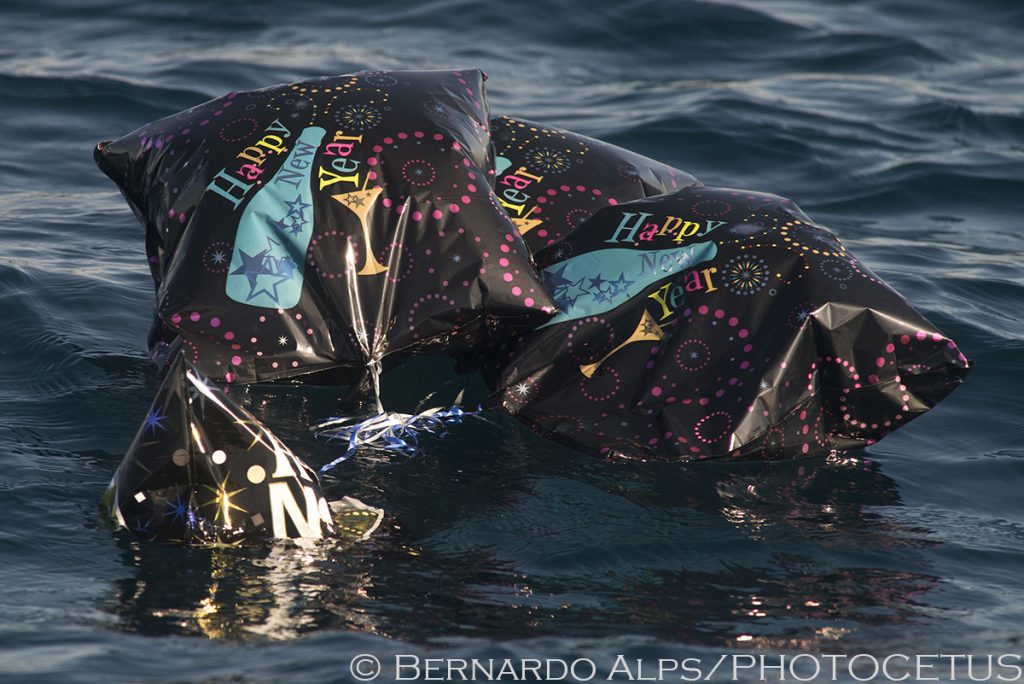
    • Whale watching trip aboard Scott's boat off the Palos Verdes Peninsula, CA, on January 5, 2014. Photo © Bernardo Alps/PHOTOCETUS. All rights reserved.
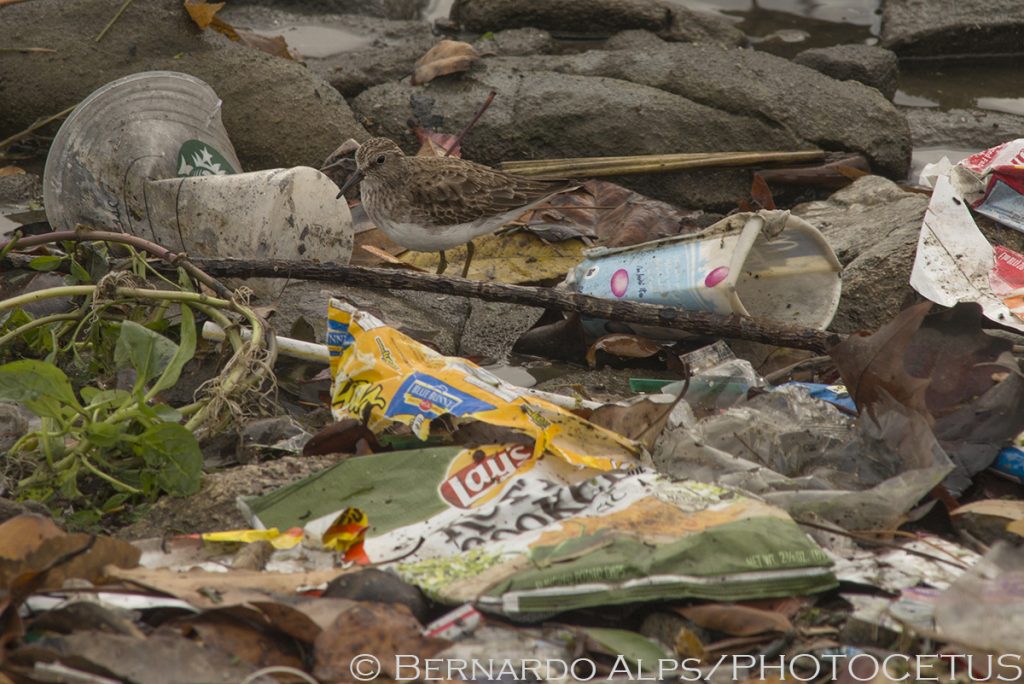
    • Marina Del Rey, CA, on November 21, 2013. Photo © Bernardo Alps/PHOTOCETUS. All rights reserved.
    • Seabird and marine mammal foraging study at White's Point in San Pedro, CA on July 22, 2013. Photo © Bernardo Alps/PHOTOCETUS. All rights reserved.
    • Seabird and marine mammal foraging survey, White's Point, San Pedro, Los Angeles County, California, April 29, 2013. Photo © Bernardo Alps/PHOTOCETUS. All rights reserved.
    • Cabrillo Marine Aquarium Friendly Whales of Baja trip aboard the Royal Polaris, March 10, 2013. Laguna San Ignacio, Baja California Sur, Mexico. Photo © Bernardo Alps/PHOTOCETUS/All rights reserved.
    • Dockweiler State Beach, El Segudo, CA on February 10, 2013. Photo © Bernardo Alps/PHOTOCETUS/All rights reserved.
    • Point Piedras Blancas, CA, February 7, 2013. Photo © Bernardo Alps/PHOTOCETUS. All rights reserved.
    • Alpine Village parking lot, Torrance, CA on January 28, 2013. Photo © Bernardo Alps/PHOTOCETUS/All rights reserved.
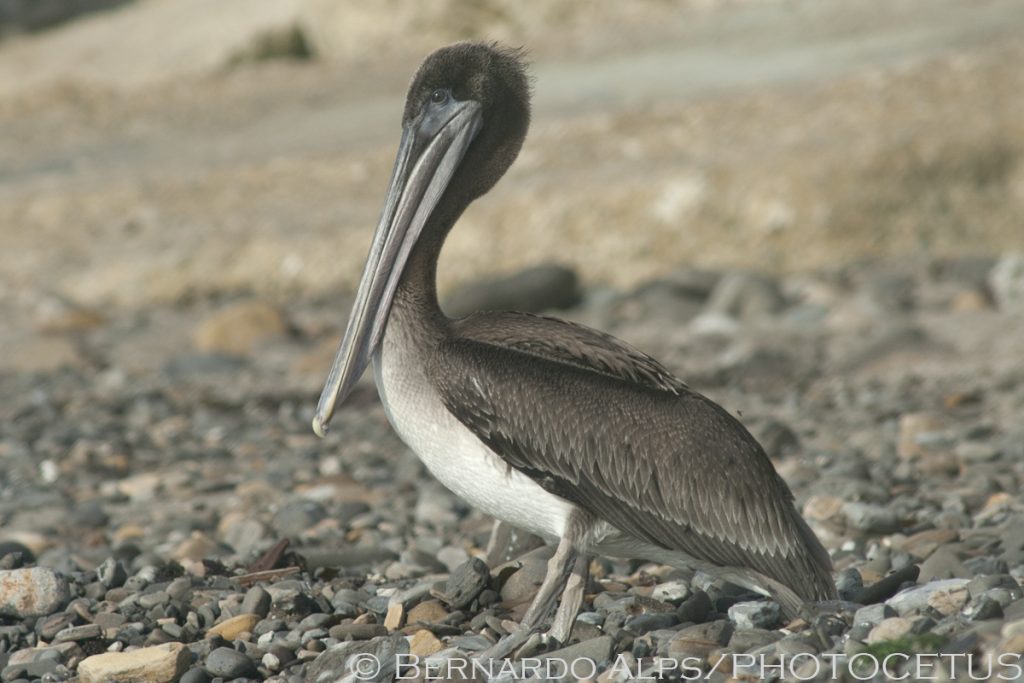
    • A young of the year brown pelican rests on the rocky shoreline at Cabrillo Beach in San Pedro on Wednesday, July 11, 2012. Young brown pelicans are arriving from their breeding grounds on the California Channel Islands. Photo © Bernardo Alps/PHOTOCETUS. All rights reserved.
© 2026 ODYSSEA ASBL
  • Home
  • About
  • News
  • Contact